

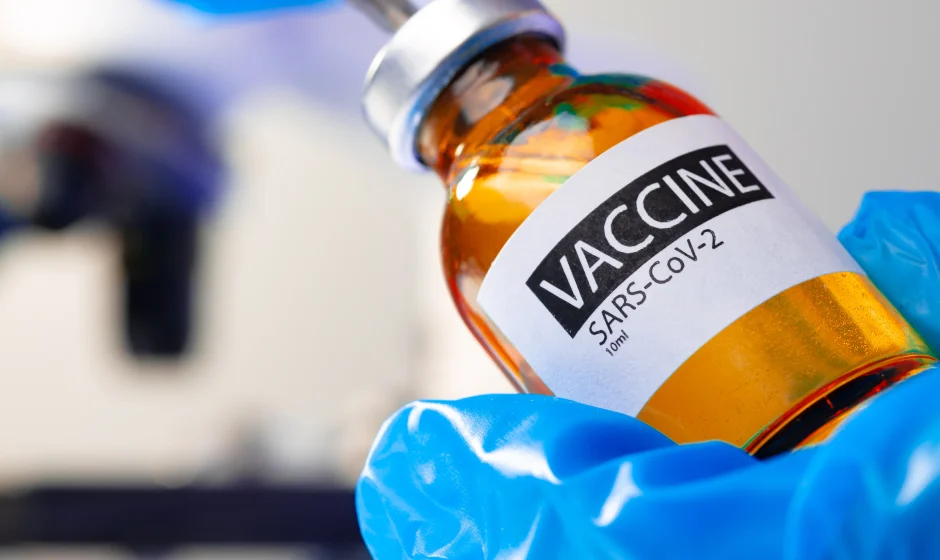

For most international travelers, the answer is simple: you generally do not need vaccines to travel to South Africa as a condition of entry. Travelers arriving directly from countries such as the United States normally do not have to show a vaccination certificate at the South African border.
The major exception is yellow fever. South Africa can require proof of yellow-fever vaccination if you arrive from a country where yellow fever transmission is considered a risk, or if you spend more than 12 hours transiting through an airport in one of those countries.
That border requirement is different from medical recommendations. Health authorities may recommend routine vaccinations, hepatitis A, hepatitis B, or other vaccines depending on your age, itinerary, activities, and health history, even when South Africa does not legally require them for entry.
Related South Africa Guides:
Table of Contents
- Quick Answer
- Are Any Vaccines Required to Enter South Africa?
- South Africa’s Yellow Fever Requirement
- Do You Need a COVID-19 Vaccine?
- Vaccines Recommended for South Africa
- What About Malaria?
- Vaccines for Children Traveling to South Africa
- Frequently Asked Questions
- South Africa Vaccine Checklist Before Travel
- Sources
Quick Answer
Are vaccines required for most travelers? No. There is no general vaccination requirement for travelers arriving directly from countries that are not considered yellow-fever-risk countries.
Do Americans need vaccines to enter South Africa? No vaccine is generally required for someone traveling directly from the United States.
When is yellow-fever vaccination required? It can be required if you are age one or older and arrive from a yellow-fever-risk country, or if you spend more than 12 hours in airport transit in such a country.
Do you need a COVID-19 vaccine? No. South Africa repealed its COVID-specific entry regulations in June 2022.
Is malaria prevention required for entry? No. South Africa does not require malaria medication or vaccination as an entry condition, although preventive medication may be recommended for certain destinations.
Are Any Vaccines Required to Enter South Africa?
South Africa does not impose a broad vaccine mandate on ordinary tourists.
If you fly directly from the United States to South Africa, for example, the CDC states that a yellow-fever vaccination is not required for entry. The same basic principle applies to travelers whose journeys do not begin in a yellow-fever-risk country and who do not spend more than 12 hours transiting through an airport in one.
This means someone taking a typical vacation to Cape Town, Johannesburg, Durban, the Garden Route, or Kruger National Park does not automatically need to obtain a vaccination certificate simply because the destination is South Africa.
The most important issue is your travel route, not merely your nationality.
A traveler living in the United States who visits Ghana before flying to South Africa may face a yellow-fever requirement. A traveler flying directly from the United States generally would not.
Similarly, a short connecting flight through a yellow-fever-risk country does not necessarily trigger the requirement. South Africa’s published rule focuses on qualifying airport transit lasting more than 12 hours.
| Vaccine or Medicine | Required for Entry? | General 2026 Guidance |
|---|---|---|
| Yellow fever | Sometimes | Required for certain travelers arriving from yellow-fever-risk countries or spending more than 12 hours transiting through an airport in one |
| COVID-19 | No | No general COVID vaccination or testing requirement for entry |
| Routine vaccines | No | Recommended to be up to date before international travel |
| Hepatitis A | No | Recommended by the CDC for most unvaccinated travelers |
| Hepatitis B | No | Recommended for many unvaccinated travelers |
| Typhoid | No | May be considered for certain itineraries and longer stays |
| Rabies | No | May be considered for travelers with increased animal exposure |
| Mpox | No | May be recommended for certain travelers with a higher anticipated risk of exposure |
| Malaria medication | No | May be recommended for travel to specific malaria-risk areas of South Africa |
South Africa’s Yellow Fever Requirement
Yellow fever is the main vaccination issue travelers need to understand before entering South Africa.
According to official South African government guidance, travelers age one or older can be required to present a valid yellow-fever vaccination certificate if they are:
- Traveling from a country with a risk of yellow-fever transmission; or
- Transiting for more than 12 hours through an airport in a country with a risk of yellow-fever transmission.
South Africa’s published list includes a number of countries in Africa and Central and South America. Examples include Ghana, Nigeria, Kenya, Uganda, Ethiopia, Angola, Brazil, Colombia, Peru, and several others.
This rule makes your connecting flights important.
For example, imagine you travel from the United States to South Africa but spend 14 hours in an airport located in a yellow-fever-risk country. That transit could trigger the certificate requirement even though your trip originated in the United States.
By comparison, a short connection of only a few hours through the same country would not normally meet South Africa’s published 12-hour transit threshold.
When Does a Yellow Fever Certificate Become Valid?
Official South African guidance states that the yellow-fever vaccine should be administered at an approved vaccination center at least 10 days before travel where vaccination is required.
The International Certificate of Vaccination or Prophylaxis becomes valid 10 days after the first yellow-fever vaccination.
Yellow-fever vaccination certificates are generally valid for the lifetime of the vaccinated traveler. Under changes to the International Health Regulations that took effect in 2016, countries generally cannot require a booster simply because an otherwise valid certificate has passed the former 10-year validity period.
This means travelers who received a valid yellow-fever vaccination years ago may not need another dose merely for South African entry.
What Happens if You Need a Certificate but Do Not Have One?
South African authorities state that a traveler arriving from a yellow-fever-risk country without the required valid certificate may be refused entry or placed under quarantine surveillance.
Official guidance provides for quarantine surveillance that may last up to six days in relevant cases.
Travelers who cannot safely receive the yellow-fever vaccine for legitimate medical reasons may travel with an appropriate medical exemption certificate. South African guidance indicates that a traveler presenting a valid medical exemption can be allowed entry, although health authorities may require monitoring, reporting of symptoms, or quarantine surveillance.
A medical exemption should therefore not be treated as simply skipping the requirement. Travelers should obtain proper documentation before departure.
If your itinerary triggers the yellow-fever rule, deal with the requirement well before arriving at the airport.
Do You Need a COVID-19 Vaccine to Travel to South Africa?
No. South Africa does not currently have a general COVID-19 vaccination requirement for international entry.
The country previously required international travelers to provide vaccination evidence or qualifying COVID test results. Those rules are outdated.
On June 22, 2022, South Africa repealed the COVID-19 regulations dealing with, among other things, people entering the country.
As a result, tourists should not rely on old articles from 2020, 2021, or early 2022 that still describe PCR testing, vaccination certificates, or similar COVID border requirements.
There is currently no general South African border requirement for tourists to present a COVID vaccination certificate or negative PCR test simply to enter the country.
Health authorities may still recommend COVID vaccination as a personal health measure. That is different from South Africa requiring vaccination as a condition of admission.
What Vaccines Are Recommended for Travel to South Africa?
A vaccine can be medically recommended without being legally required.
This distinction is important. South Africa’s immigration and border authorities determine what documentation is required for entry. Organizations such as the CDC provide medical recommendations intended to reduce a traveler’s risk of becoming ill.
The CDC advises international travelers to make sure routine vaccinations are current. These can include vaccines for measles, mumps and rubella, tetanus, diphtheria and pertussis, polio, influenza, and chickenpox, depending on the traveler’s age and vaccination history.
The CDC also recommends hepatitis A vaccination for unvaccinated travelers age one and older going to South Africa. Hepatitis A can spread through contaminated food or water.
The CDC also recommends hepatitis A vaccination for infants 6 to 11 months old traveling internationally, although this early dose does not count toward the routine childhood vaccination series.
Hepatitis B vaccination is recommended for many unvaccinated travelers, particularly travelers under age 60. Unvaccinated travelers age 60 and older may also consider hepatitis B vaccination.
Hepatitis B can spread through blood and certain bodily fluids, so the traveler’s activities, length of stay, medical care, and other circumstances can affect individual risk.
Typhoid
Typhoid vaccination is not a South African border requirement.
The CDC says travelers may consider it if they plan to spend significant time in South Africa, visit friends or relatives, or travel to locations where sanitation and safe water may be less reliable.
For a short trip centered around major hotels and conventional tourist areas, the risk calculation can be different from a month-long stay involving extensive rural travel.
Travelers should discuss their individual itinerary with a healthcare professional rather than assuming that everyone visiting South Africa requires a typhoid vaccine.
Rabies
Rabies vaccination is also not generally required for entry.
However, travelers who expect significant contact with animals, work outdoors, visit remote areas, or participate in activities where access to prompt medical treatment may be difficult should discuss rabies prevention with a medical professional.
Rabies exists among dogs and wildlife in South Africa.
The CDC has also highlighted rabies involving Cape fur seals in South Africa and Namibia. Travelers should not approach, feed, touch, or attempt to handle wild seals, even when the animal appears calm.
Anyone bitten or scratched by a potentially rabid animal should seek medical treatment urgently.
Mpox
Mpox vaccination is not required for entry into South Africa.
However, the CDC may recommend vaccination for certain adults whose planned activities create a higher risk of exposure during travel. This is particularly relevant to travelers expecting close or intimate contact in circumstances associated with increased mpox transmission.
For most ordinary tourists, mpox vaccination will not be a South African entry issue.
Travelers who believe their planned activities place them at higher risk should discuss vaccination with a healthcare professional before departure.
Do You Need Malaria Medicine for South Africa?
Malaria prevention causes considerable confusion because malaria medication is not the same thing as a vaccine, and it is not a general South African entry requirement.
Much of South Africa is not considered a major malaria transmission area. Cape Town, for example, is not in one of the country’s principal malaria-risk zones.
Malaria is concentrated mainly in parts of northeastern South Africa.
Current CDC travel guidance identifies areas where prescription malaria-prevention medication may be recommended, including:
- Kruger National Park
- uMkhanyakude District in KwaZulu-Natal
- Mopani District in Limpopo
- Vhembe District in Limpopo
- Ehlanzeni District in Mpumalanga
Other parts of northeastern South Africa can also report malaria transmission, although the recommended prevention strategy can differ by location.
This is why saying simply that “Limpopo has malaria” or “Mpumalanga has malaria” can be misleading. Risk is not necessarily uniform across an entire province.
For travelers visiting Kruger National Park or another area where preventive medication is recommended, a doctor or travel-health clinic can help determine which medication is appropriate.
The choice can depend on factors such as:
- Your exact destination
- Length of stay
- Time of year
- Age
- Pregnancy
- Existing medical conditions
- Other medications you take
Some malaria medications must be started before entering a risk area and continued for a period after leaving.
Mosquito-bite prevention is also important. Travelers should consider insect repellent, long clothing during peak mosquito activity, screened or air-conditioned accommodation, and mosquito nets where appropriate.
Do Children Need Vaccines to Travel to South Africa?
South Africa does not impose a separate general vaccine mandate simply because a traveler is a child.
Yellow-fever rules can apply to travelers age one or older when their travel route triggers the requirement.
Parents should also check whether their children are current on routine childhood vaccines before international travel.
The CDC specifically emphasizes measles vaccination for international travelers because measles continues to circulate in countries around the world.
Families should discuss vaccination timing with a pediatrician or travel-health professional, particularly when traveling with infants or very young children.
Infants can sometimes follow travel-specific vaccination schedules that differ from the normal routine timetable. For example, the CDC recommends a hepatitis A dose for certain infants traveling internationally even though that dose may not count toward the normal childhood series.
The appropriate schedule depends on the child’s age, previous vaccinations, destination, and health history.
Frequently Asked Questions
Do I Need a Yellow Fever Vaccine if I Am Flying From the United States?
Normally, no. The CDC states that yellow-fever vaccination is not required for direct travel from the United States to South Africa.
Your connecting airports still matter.
If you spend more than 12 hours transiting through an airport in a yellow-fever-risk country, the South African certificate requirement can apply even though your trip began in the United States.
Is South Africa a Yellow Fever Country?
No. Travelers are not advised to obtain yellow-fever vaccination simply because they are visiting South Africa.
The South African entry rule is aimed primarily at preventing the introduction of yellow fever by travelers arriving from countries where transmission is a risk.
Do I Need Vaccines to Visit Cape Town?
There is no special vaccination certificate required merely because you are visiting Cape Town.
A traveler arriving directly from a country without yellow-fever risk, and without a qualifying long transit in a yellow-fever-risk country, generally does not need a vaccine certificate for entry.
Routine travel-health recommendations still apply.
Do I Need Vaccines to Visit Johannesburg?
There is no general vaccination requirement specifically for visiting Johannesburg.
Your yellow-fever requirement depends primarily on where you traveled before arriving in South Africa and whether you had a qualifying transit through a yellow-fever-risk country.
Do I Need Vaccines to Visit Kruger National Park?
There is no special vaccination certificate required merely because you are visiting Kruger National Park.
Malaria is the more relevant health consideration. The CDC recommends malaria-prevention medication for travelers to Kruger National Park.
Travelers should discuss the appropriate medication and mosquito precautions with a healthcare professional before the trip.
Does South Africa Require Proof of COVID Vaccination?
No. South Africa repealed the former COVID-specific border regulations in June 2022.
There is currently no general requirement to present a COVID vaccination certificate or negative PCR test simply to enter South Africa.
How Long Can I Transit Through a Yellow Fever Country Without Needing the Vaccine?
South Africa’s published requirement applies to travelers who spend more than 12 hours transiting through an airport in a country with a risk of yellow-fever transmission.
A shorter airport connection generally does not meet that particular threshold.
However, travelers should always check current rules before departure because public-health classifications and entry requirements can change.
Does a Yellow Fever Vaccine Certificate Expire?
A valid yellow-fever vaccination certificate is generally valid for life.
The old system under which international yellow-fever certificates were treated as valid for only 10 years was changed under the International Health Regulations.
Travelers with older certificates should keep the original documentation in a safe place.
How Early Should I Check Travel Vaccinations?
The CDC recommends discussing vaccines and travel medicines with a healthcare provider at least a month before travel when possible.
Yellow-fever vaccination is particularly time-sensitive because a new certificate generally becomes valid 10 days after the first vaccination.
Some malaria medications also need to be started before entering a malaria-risk area.
South Africa Vaccine Checklist Before Travel
Before your trip:
- Check whether any country you will visit before South Africa is classified as a yellow-fever-risk country.
- Check whether any airport transit in such a country will exceed 12 hours.
- If yellow-fever vaccination is required, obtain it early enough for the certificate to become valid.
- If you cannot receive yellow-fever vaccination for medical reasons, obtain appropriate exemption documentation before travel.
- Make sure routine vaccinations are up to date.
- Discuss hepatitis A and hepatitis B vaccination with a healthcare professional if you are unvaccinated.
- Consider whether your itinerary creates a need for typhoid, rabies, or mpox vaccination.
- If visiting Kruger National Park or another malaria-risk area, discuss malaria-prevention medication before departure.
- Use mosquito precautions in malaria-risk areas even if you are taking preventive medication.
- Do not rely on outdated COVID-era South African entry rules.
For most visitors, traveling to South Africa does not involve a complicated vaccination requirement. The key exception is yellow fever, and whether that rule applies depends primarily on where you have traveled and where you transit before arriving in South Africa.
For someone flying directly from the United States or another country without a yellow-fever entry trigger, there is normally no requirement to obtain a vaccine simply to cross the South African border.
Medical recommendations are a separate question. Your destination within South Africa, length of stay, age, medical history, planned activities, and exposure risks can all affect which vaccines or preventive medicines make sense for your trip.
Sources
Community Discussion
0 commentsNo comments yet. Be the first person to start the conversation.